

Urgent Gas Leak Repair: Your Essential Guide to Safety and Swift Action
A gas leak represents a severe and immediate threat, demanding prompt and decisive action. The potential consequences are extensive, ranging from adverse health effects to catastrophic fires and explosions. Consequently, a thorough understanding of how to identify a gas leak and respond effectively is absolutely critical. This knowledge safeguards the occupants of any property. This comprehensive guide aims to equip you with vital information. It will detail the tell-tale signs of gas leaks. It will also outline the precise immediate steps to take. Furthermore, it will underscore the paramount importance of engaging qualified professionals for urgent gas leak repair. Indeed, being well-informed and prepared is not merely beneficial; it is a fundamental aspect of ensuring safety in such hazardous situations. Therefore, prioritizing this knowledge is an indispensable measure for every homeowner and business operator.
Recognizing the Signs of a Gas Leak
Identifying a gas leak early is undeniably crucial for averting a potential disaster. Fortunately, several distinct indicators can alert you to the presence of escaping gas within your environment.
The Distinctive Odor
Natural gas itself is inherently odorless, presenting a significant safety challenge. To counteract this, utility companies intentionally infuse it with a potent chemical called mercaptan. This additive imparts a very strong, unmistakable scent, often described as rotten eggs or sulfur. If you perceive this peculiar and powerful odor, it serves as an unequivocal signal of a potential leak. Always trust your olfactory senses in these critical situations; they are your most immediate warning system.
Hissing or Blowing Sounds
In some instances, a gas leak can manifest audibly. A subtle yet persistent hissing or blowing sound emanating from the vicinity of a gas line, an appliance, or your gas meter strongly suggests gas is escaping under pressure. This sound may be particularly noticeable during quieter periods within your home or business. Therefore, pay close attention to any unusual sounds near gas infrastructure.
Visual Cues
While less common than olfactory or auditory signals, certain visual anomalies can also point towards a gas leak.
Physical Symptoms
Exposure to even low levels of natural gas can induce a range of physical symptoms. These commonly include unexplained dizziness, persistent nausea, debilitating headaches, unusual fatigue, and noticeable difficulty breathing. Moreover, if household pets exhibit uncharacteristic behaviors, such as sudden lethargy, disorientation, or a loss of appetite, these subtle changes could also be indicative of a gas leak affecting the indoor air quality. If multiple individuals within a building simultaneously experience these symptoms, a gas leak should be considered a very strong possibility. Consequently, immediate evacuation and professional assessment become the most prudent course of action to protect health and safety.
Why Urgent Gas Leak Repair is Critical
Procrastinating or delaying action when a gas leak is suspected carries profoundly severe consequences. The imperative for urgent gas leak repair cannot be overstated, primarily due to the inherent and immediate dangers it presents to life and property.
Health Risks
Inhaling natural gas directly displaces oxygen within the air, potentially leading to asphyxiation. Even mild exposure can trigger uncomfortable symptoms such as headaches, dizziness, and nausea. Prolonged or significant exposure, however, can result in far more severe health complications, including loss of consciousness, irreversible brain damage, and tragically, even death. Furthermore, a related but equally perilous concern is carbon monoxide (CO). This gas, an odorless and colorless byproduct of incomplete combustion from faulty gas appliances, is notoriously known as the “silent killer.” Without proper ventilation or functional appliances, CO levels can rapidly become lethal.
Fire and Explosion Hazards
This constitutes arguably the most immediate and devastating danger associated with gas leaks. Natural gas is exceptionally flammable. A seemingly innocuous spark – perhaps from flipping a light switch, answering a mobile phone (while inside), pressing a doorbell, or even a build-up of static electricity – can instantly ignite accumulated gas. This ignition can lead to a devastating fire or a catastrophic explosion, causing widespread destruction and severe injuries or fatalities. The risk intensifies exponentially as the concentration of gas within an enclosed space increases. Therefore, every single second is critical when confronted with a potential leak. Swift and decisive action is absolutely paramount to prevent such tragic and destructive events.
Structural Damage
Beyond the immediate dangers to life, a gas explosion can inflict severe structural damage upon a building. The immense force generated by such an event can compromise foundations, shatter windows, collapse walls, and render a property uninhabitable. Repairing such damage is not only incredibly costly but can also take an extensive amount of time, displacing residents or businesses for prolonged periods. This creates significant disruption and financial burden.
Environmental Impact
While less immediate than the direct safety risks, gas leaks also contribute significantly to environmental degradation. Natural gas is primarily composed of methane, which is a highly potent greenhouse gas. As a result, methane contributes significantly more to global warming than carbon dioxide over 20 years. Minimizing and promptly repairing gas leaks, therefore, plays a crucial role in reducing these harmful environmental impacts and mitigating climate change. Thus, addressing leaks quickly offers both immediate safety benefits and long-term ecological advantages.
Immediate Steps to Take During a Gas Leak
Knowing the precise sequence of actions to take when you suspect a gas leak is undeniably critical for ensuring the safety of yourself and others. Follow these imperative steps without any hesitation whatsoever.
Prioritize Evacuation Immediately
The absolute first and most crucial step is to evacuate everyone from the affected building without delay. Do not pause to gather personal belongings, as every second is critical. Ensure everyone exits the premises and moves to a safe distance, ideally at least 300 feet away, and then confirm that all individuals are accounted for. This immediate removal from the hazard zone is non-negotiable.
Do NOT Use Electrical Devices
Under no circumstances should you engage with anything that could potentially generate a spark. This strictly includes light switches (do not turn them on or off), mobile phones (refrain from using them until you are safely outdoors and at a distance), doorbells, flashlights, computers, or any other electrical appliance. Even the smallest electrical surge or static discharge from these devices can be sufficient to ignite an accumulation of gas.
Do NOT Operate Vehicles or Machinery
If the suspected leak is located outdoors, within a garage, or in proximity to a vehicle, absolutely do not attempt to start any cars, trucks, or operate any machinery. The ignition systems or operational components of these items can also produce sparks that could trigger an explosion.
Open Windows and Doors (Only If Safe and Quick)
If you can do so without any delay to your immediate evacuation and without needing to operate any electrical switches or fans, briefly opening windows and doors as you exit the property can help to ventilate the area. However, your paramount focus must always remain on exiting the building as rapidly and safely as possible. This step is secondary to evacuation.
Call for Professional Help from a Safe Location
Once you have reached a secure distance from the property, immediately contact your local gas utility company’s emergency line. Provide them with your precise address and any specific details you have regarding the suspected leak. Emphatically, do not attempt to re-enter the building for any reason until emergency services personnel have thoroughly inspected the premises and officially declared it safe. It is imperative to await their professional assessment and clearance.
The Professional Approach to Urgent Gas Leak Repair
Once emergency services, typically involving gas company technicians and potentially firefighters, are on the scene, highly trained professionals will take charge of the situation. Their specialized expertise is essential for safely locating, accurately assessing, and effectively repairing the gas leak. This professional intervention ensures public safety and minimizes risk.
Initial Assessment and Safety Protocols
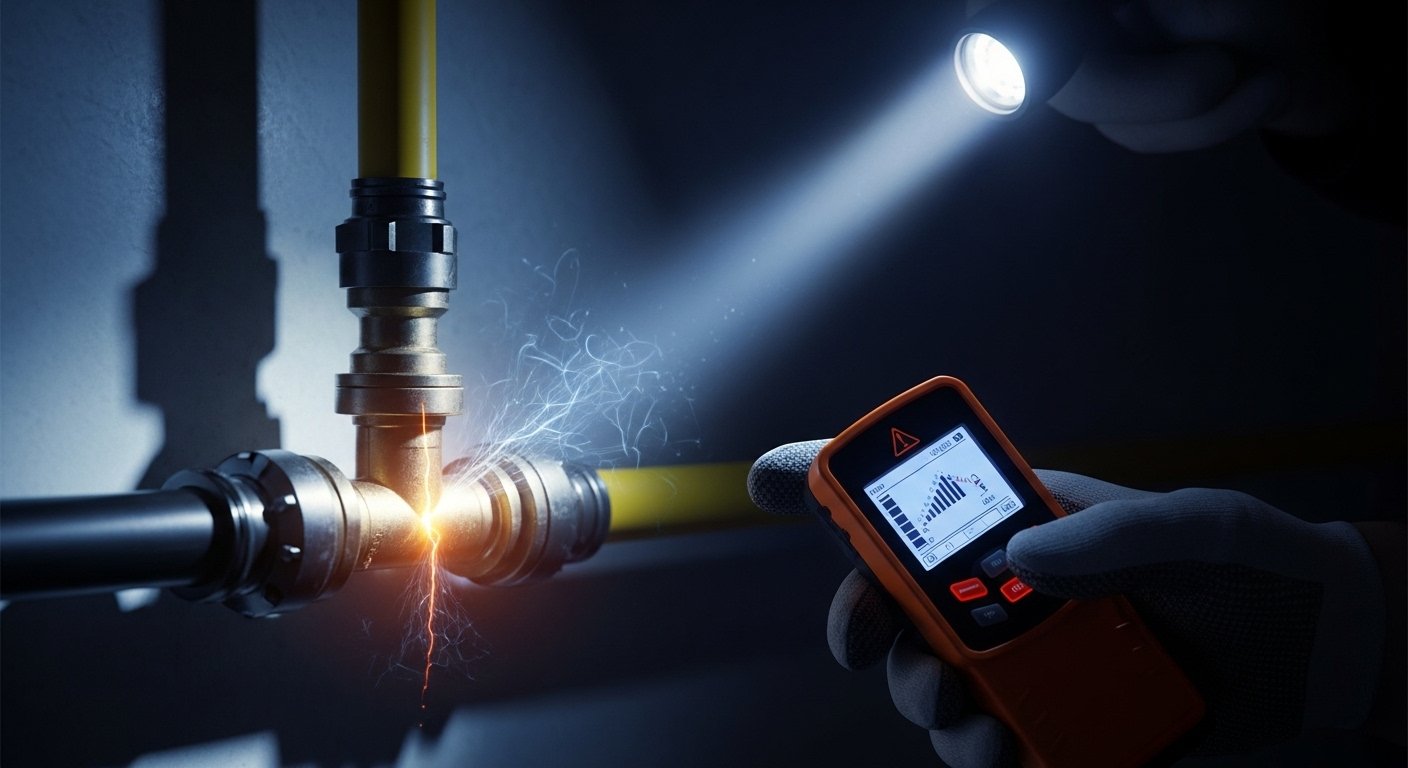
Upon their arrival, gas company technicians or firefighters will first prioritize securing the immediate area. They utilize highly specialized equipment, such as sophisticated gas sniffers and combustible gas detectors, to accurately measure gas levels and precisely pinpoint the origin of the leak. Crucially, they will often proceed to shut off the main gas supply to the affected property. This critical step instantly halts the further escape of gas, thereby immediately mitigating the most pressing danger. They establish a safe perimeter and ensure no potential ignition sources are present.
Locating the Leak
Professionals employ a suite of advanced tools to accurately locate even the most elusive or minor leaks. These instruments include highly sensitive gas detectors, infrared cameras capable of visualizing gas plumes, and sometimes even acoustic leak detectors that can hear the subtle sounds of escaping gas. They meticulously inspect all accessible gas lines, connections, appliance hook-ups, and the gas meter itself. Occasionally, a leak might be concealed within walls, beneath flooring, or even underground, necessitating more sophisticated and sometimes intrusive detection methods. Consequently, their thoroughness and ability to use diverse technologies are paramount for a complete and lasting solution. They leave no stone unturned in their investigation.
Repairing the Leak
The specific methodology for repair is entirely dependent upon the nature, severity, and precise location of the leak. Common repair strategies include:
- Tightening Loose Connections: Surprisingly often, a simple loose fitting or connection, perhaps due to vibration or age, is the underlying cause. This merely requires the application of appropriate tools to secure the connection firmly.
- Replacing Damaged Pipes or Hoses: Gas lines or appliance hoses that exhibit corrosion, cracks, punctures, or other forms of damage must be completely removed and replaced with new, compliant materials. This ensures the integrity of the gas delivery system.
- Sealing Minor Leaks: For very small, non-structural leaks in specific types of piping, specialized sealants designed for gas systems might be carefully applied. However, this is less common for major leaks.
- Appliance Repair or Replacement: If a specific gas appliance (e.g., furnace, water heater, stove) is identified as the source of the leak, it may require professional repair or, in some cases, complete replacement if it is deemed unsafe or beyond economic repair. Only certified and qualified technicians must perform this specialized work.
Testing and Re-establishing Service
Following the completion of the urgent gas leak repair, technicians conduct an exhaustive series of tests on the entire gas system. This comprehensive testing is designed to confirm unequivocally that there are no remaining leaks anywhere in the system. They will then meticulously purge any air that may have entered the lines during the repair process. Only after these rigorous checks are successfully completed will they safely restore gas service to the property. Finally, they will issue official clearance, confirming that it is safe for occupants to re-enter the premises and resume the use of gas appliances, providing peace of mind.
Preventing Future Gas Leaks and Enhancing Safety
While it is absolutely crucial to understand how to react decisively to a gas leak, proactively preventing such incidents from occurring in the first place is undoubtedly the superior approach. Regular maintenance, informed awareness, and adherence to safety guidelines can significantly diminish risks.
Regular Appliance Maintenance
This routine preventative maintenance is a truly proactive measure against the development of future, more serious issues.
Inspect Hoses and Connections Periodically
Make it a habit to periodically inspect the flexible gas hoses and connectors that link your appliances to the gas supply. Look carefully for any visible signs of kinks, cracks, fraying, or other damage. Additionally, ensure that all connections are secure and free from corrosion. Promptly replace any old, worn, or damaged hoses with new, certified replacements to maintain system integrity.
Exercise Caution During Renovations and Digging
If you are planning any drilling, digging, or renovation work, especially in areas where gas lines might be present, exercise extreme caution. Always know the precise location of your underground and in-wall utility lines before commencing any project. In the United States, calling 811 before you dig is a legal requirement and a critical safety measure to have underground utilities, including gas lines, accurately marked. This simple call can prevent accidental damage and potentially catastrophic leaks.
Educate Your Household and Staff
Ensure that every member of your household or staff is thoroughly educated on the signs of a gas leak and understands the immediate, critical steps to take in an emergency. Conduct periodic drills or discussions to reinforce these procedures. Develop and practice a clear evacuation plan. Empowering everyone with this knowledge ensures that they can respond effectively and safely if a gas leak occurs, potentially saving lives.
Consider a Gas Leak Detector
For an added layer of security, consider installing a dedicated natural gas leak detector. They serve as an excellent complement to your existing safety measures.
Conclusion
In summary, understanding and promptly addressing a gas leak is not merely a matter of convenience but a critical aspect of personal and public safety. From recognizing the subtle yet distinct signs like the rotten egg smell or a faint hiss, to knowing the immediate, life-saving steps of evacuation and calling professionals, vigilance is paramount. The dangers associated with gas leaks—ranging from severe health risks to the devastating potential for explosions—underscore the absolute necessity for urgent gas leak repair. By prioritizing regular appliance maintenance, installing essential safety devices like CO detectors, and educating everyone in your household, you can significantly mitigate risks and foster a safer environment.
If you value fast, reliable, and professional plumbing, ZM Plumbers is the service to trust.
Contact us via WhatsApp or visit our Contact Page for any questions or support.
Frequently Asked Questions (FAQ)
Q1: What should I do if I smell gas but don’t hear a hiss or see any visual signs?
Answer: If you smell the distinctive “rotten egg” odor of natural gas, even without other signs, treat it as a serious leak. Immediately evacuate everyone from the building, move to a safe distance (at least 300 feet), and then call your gas utility company or 911 from a mobile phone once you are safely away. Do not turn on or off any electrical devices inside the property.
Q2: How quickly can professionals respond to an urgent gas leak repair call?
Answer: Gas utility companies and emergency services prioritize gas leak calls as high-alert situations. They typically aim for a rapid response, often arriving within minutes to an hour, depending on your location and current emergency volume. Their primary goal is to secure the area and ensure public safety as quickly as possible.
Q3: Can I attempt to find or fix a gas leak myself?
Answer: Absolutely not. Attempting to find or fix a gas leak yourself is extremely dangerous and could lead to severe injury, explosion, or death. Gas leak detection and urgent gas leak repair require specialized training, tools, and expertise. Always leave this critical task to qualified, certified professionals from your gas utility company or licensed plumbing/HVAC technicians.