
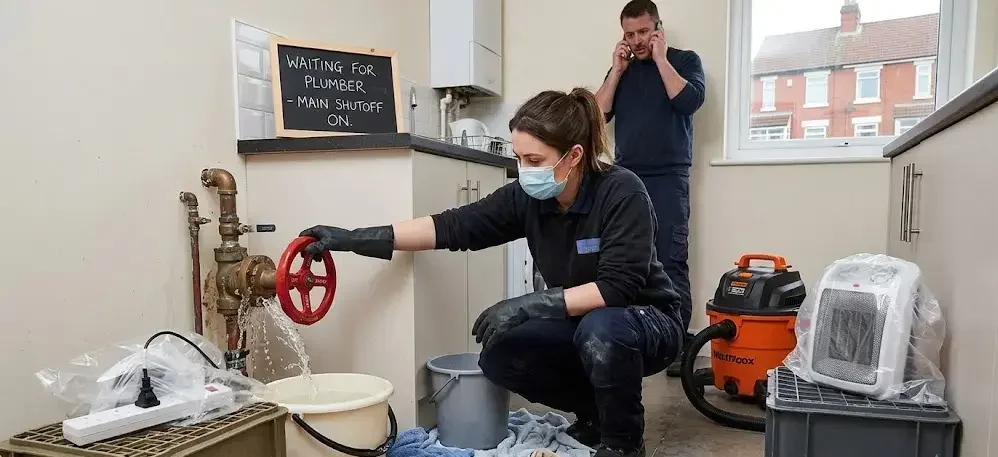
If you are dealing with a plumbing emergency in Luton, the fastest way to minimise water damage is to shut off the main water supply, switch off electricity near affected areas if it is safe to do so, contain the leaking water with towels and buckets, move valuables to a dry location, and contact an emergency plumber immediately. Acting within the first few minutes can significantly reduce repair costs and protect your property from long-term damage.
Additional Home Maintenance Tips
Preventing water damage often requires a proactive approach to property maintenance. Regular inspections of plumbing, heating, and household systems can help identify issues before they become expensive emergencies. Homeowners looking for additional guidance on maintaining essential home systems can also explore Fix It Comfort, which shares practical resources on home comfort, repairs, and preventive maintenance.
Why Immediate Action Matters During a Plumbing Emergency
Water damage can spread much faster than most homeowners realise. A burst pipe, overflowing toilet, leaking water tank, or damaged appliance can release large amounts of water into your property within minutes. The longer water remains in contact with walls, flooring, ceilings, and furniture, the greater the risk of structural damage, mould growth, and costly repairs.
Whether you own a home, manage a rental property, or run a business in Luton, knowing what to do before a plumber arrives can save you hundreds or even thousands of pounds.
Turn Off the Main Water Supply Immediately
The first and most important step is to locate and turn off your stopcock. This valve controls the mains water supply entering your property.
In most homes across Luton, the stopcock can usually be found:
Under the kitchen sink
In a utility room
Inside a cupboard near the front entrance
Near the water meter
Turning the stopcock clockwise should stop water from flowing into the property and prevent further flooding.
If you are unsure where your stopcock is located, it is worth finding it before an emergency occurs.
Switch off the electricity if Water Is Near Electrical Systems
Water and electricity create a serious safety hazard.
If water is approaching electrical outlets, appliances, fuse boxes, or wiring, switch off the power at the consumer unit only if it is safe to access.
Never stand in water while touching electrical equipment.
If you are uncertain about safety, contact a qualified electrician and avoid the affected area until professional help arrives.
Contain the Leak and Control Water Spread
Once the water supply is isolated, focus on preventing water from spreading further through the property.
Useful methods include:
Using buckets and containers
Place buckets under active drips or leaks to collect water.
Using towels and absorbent cloths
Create barriers around affected areas to stop water travelling into adjoining rooms.
Protecting vulnerable flooring
Wood flooring, laminate, carpets, and underlay can absorb water quickly. Remove standing water as soon as possible.
Using a wet vacuum
If available, a wet vacuum can remove large volumes of water efficiently.
Move Furniture and Valuables to a Safe Area
Water can permanently damage furniture, electronics, important documents, and personal belongings.
Move the following items to a dry location:
Electrical devices
Important paperwork
Rugs and carpets
Soft furnishings
Valuable possessions
If heavy furniture cannot be moved, place aluminium foil or waterproof blocks beneath the legs to reduce water absorption.
Identify the Source of the Leak
Understanding where the water is coming from can help both you and your plumber.
Common plumbing emergencies in Luton include:
Burst pipes
Overflowing toilets
Leaking boilers
Faulty washing machine hoses
Damaged water tanks
Leaking taps and valves
Take note of visible signs and provide this information when contacting your emergency plumber.
Document the Damage for Insurance Purposes
Many home insurance providers require evidence when processing water damage claims.
Take clear photographs of:
The source of the leak
Affected rooms
Damaged furniture
Flooring and walls
Personal belongings
Keep records of repair invoices and any emergency services used during the incident.
This documentation can simplify the claims process and support your case if significant damage has occurred.
Improve Ventilation to Reduce Moisture
Excess moisture can lead to mould and mildew within 24 to 48 hours.
To help dry the area:
Open windows where possible
Use fans to improve airflow
Run dehumidifiers
Keep internal doors open to encourage air circulation
Faster drying reduces the likelihood of secondary damage and unpleasant odours.
Avoid Common Mistakes During a Plumbing Emergency
Many property owners unintentionally make water damage worse.
Avoid these mistakes:
Ignoring small leaks
Even a minor leak can cause major structural issues over time.
Delaying professional assistance
The longer a plumbing problem continues, the more extensive the damage becomes.
Using electrical appliances near standing water
This creates a significant safety risk.
Covering damp areas without drying them
Trapped moisture encourages mould growth and hidden damage.
When Should You Call an Emergency Plumber in Luton?
Some plumbing issues require immediate professional attention.
Contact an emergency plumber if you experience:
Burst pipes
Severe water leaks
Overflowing toilets
Complete loss of water supply
Water entering ceilings or walls
Boiler leaks
Signs of flooding
Fast professional intervention can prevent extensive property damage and restore your plumbing system safely.
How Professional Plumbers Help Reduce Water Damage
An experienced emergency plumber can:
Locate hidden leaks
Repair burst or damaged pipework
Replace faulty valves and fittings
Restore the water supply safely
Assess potential structural risks
Prevent future plumbing failures
Professional diagnosis ensures the root cause is addressed rather than simply treating the visible symptoms.
Frequently Asked Questions
How quickly can water damage occur after a leak starts?
Water damage can begin within minutes. Flooring, drywall, insulation, and furniture can absorb water rapidly, leading to swelling, staining, and deterioration.
Should I turn off my boiler if there is a leak?
Yes. If the leak involves your heating system or boiler, switch it off and follow the manufacturer’s safety guidance while waiting for professional assistance.
Can I stay in my property during a plumbing emergency?
In most cases, yes. However, if there are electrical hazards, sewage contamination, or significant flooding, it may be safer to leave the affected area until professionals arrive.
Will home insurance cover water damage?
Many policies cover sudden and accidental water damage, but coverage varies. Check your policy details and document all damage thoroughly.
Final Thoughts
Knowing how to minimise water damage while waiting for a plumber in Luton can make a significant difference during an emergency. Shutting off the water supply, protecting valuables, improving ventilation, documenting damage, and acting quickly can help limit repair costs and reduce disruption to your property. When faced with a serious leak, burst pipe, or flooding incident, contacting a qualified emergency plumber as soon as possible remains the most effective way to protect your home or business.