
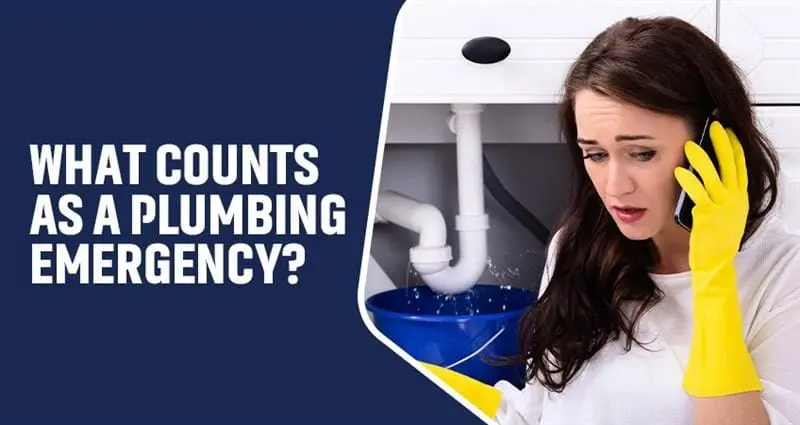
A plumbing emergency is any plumbing problem that poses an immediate risk to your property, health, safety, or access to essential water services. Examples include burst pipes, severe water leaks, overflowing toilets, sewage backups, gas-related plumbing concerns, and complete loss of water supply. Standard plumbing repairs, on the other hand, are issues that can usually wait for a scheduled appointment without causing significant damage, such as dripping taps, minor leaks, or slow-draining sinks.
Understanding the difference can help you respond appropriately, reduce repair costs, and protect your home or business from unnecessary damage.
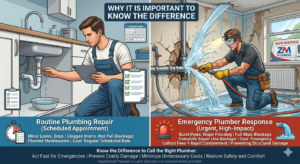
Why It Is Important to Know the Difference
Many property owners struggle to determine whether they need an emergency plumber or a routine repair appointment. Calling for emergency assistance when it is not necessary can increase costs, while delaying a genuine emergency can lead to expensive structural damage.
Knowing what qualifies as an emergency allows you to take action quickly when it matters most.
What Is Considered a Plumbing Emergency?
A plumbing emergency is a situation requiring immediate professional attention because delaying repairs could result in significant property damage, health hazards, or safety risks.
Burst Pipes
A burst pipe can release hundreds of litres of water into a property within a short period. Water can damage walls, ceilings, flooring, insulation, and electrical systems.
Signs include:
- Sudden water leaks
- Loss of water pressure
- Damp patches on walls
- Flooding inside the property
Burst pipes require immediate intervention from a qualified plumber.
Severe Water Leaks
Not every leak is an emergency, but a leak causing active flooding or threatening the structure of a building requires urgent action.
Emergency leaks often involve:
- Water pouring through the ceilings
- Leaking mains water pipes
- Leaks near electrical installations
- Rapidly spreading water damage
Overflowing Toilets
An overflowing toilet can quickly create unsanitary conditions and water damage.
If the overflow cannot be stopped using the shut off valve or basic troubleshooting, it should be treated as a plumbing emergency.
Sewage Backups
Sewage entering your home or commercial premises presents serious health risks.
Warning signs include:
- Foul smells
- Wastewater backing up into sinks
- Gurgling drains
- Overflowing inspection chambers
Sewage issues require immediate professional attention.
Complete Loss of Water Supply
A total loss of running water can disrupt essential daily activities including cooking, cleaning, and sanitation.
If the issue affects only your property and is not related to a local utility interruption, emergency plumbing assistance may be required.
Major Blocked Drains
Some blocked drains are minor inconveniences, while others can lead to flooding and sewage backups.
Emergency drain blockages typically involve:
- Multiple fixtures backing up simultaneously
- Internal flooding
- External drain overflow
Boiler Leaks and Heating Failures During Winter
A leaking boiler or complete heating failure during extremely cold weather can become an urgent issue, particularly for vulnerable occupants.
A professional assessment should be arranged as soon as possible.
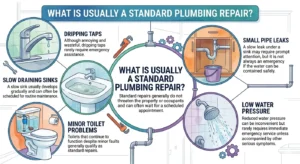
What Is Usually a Standard Plumbing Repair?
Standard repairs generally do not threaten the property or occupants and can often wait for a scheduled appointment.
Dripping Taps
Although annoying and wasteful, dripping taps rarely require emergency assistance.
Slow Draining Sinks
A slow sink usually develops gradually and can often be scheduled for routine maintenance.
Minor Toilet Problems
Toilets that continue to function despite minor faults generally qualify as standard repairs.
Small Pipe Leaks
A slow leak under a sink may require prompt attention, but it is not always an emergency if the water can be contained safely.
Low Water Pressure
Reduced water pressure can be inconvenient but rarely requires immediate emergency service unless accompanied by other serious symptoms.
Emergency Plumbing vs Standard Repair Comparison
Emergency Plumbing Issues
- Burst pipes
- Active flooding
- Sewage backups
- Overflowing toilets
- No water supply
- Major drain blockages
- Significant boiler leaks
Standard Plumbing Repairs
- Dripping taps
- Minor leaks
- Slow drains
- Running toilets
- Low water pressure
- Fixture replacements
- Routine maintenance
Risks of Ignoring a Plumbing Emergency
Delaying emergency plumbing repairs can lead to serious consequences.
Structural Damage
Water can weaken timber, plasterboard, ceilings, flooring, and foundations.
Mould Growth
Moisture creates ideal conditions for mould, which can spread rapidly throughout a property.
Higher Repair Costs
A small emergency can quickly become a major restoration project if left unresolved.
Health Hazards
Sewage exposure and contaminated water can create significant health risks for occupants.
Business Disruption
Commercial properties may experience downtime, lost revenue, and customer complaints due to unresolved plumbing emergencies.
What To Do Before the Emergency Plumber Arrives
Taking immediate action can minimise damage.
Shut Off the Water Supply
Locate and close the stopcock to prevent additional water flow.
Turn Off Electrical Power If Necessary
If water is approaching electrical systems, contact a qualified electrician and avoid affected areas.
Contain the Leak
Use buckets, towels, and temporary barriers to reduce water spread.
Document Damage
Take photographs for insurance purposes before cleanup begins.
How Professional Emergency Plumbers Respond
Emergency plumbers typically prioritise:
- Damage control
- Leak detection
- Drain clearance
- Pipe repairs
- Water system restoration
- Property safety assessment
Their goal is to stabilise the situation before carrying out permanent repairs.
Frequently Asked Questions
Is a leaking pipe always a plumbing emergency?
No. Small contained leaks can often wait for a scheduled repair. However, leaks causing flooding or rapid water damage should be treated as emergencies.
Is a blocked toilet considered an emergency?
If it is the only toilet in the property or is overflowing, it may require emergency attention.
Should I call an emergency plumber for low water pressure?
Not usually. Low water pressure is generally considered a standard repair unless accompanied by a complete loss of water supply.
Can a burst pipe wait until morning?
No. Burst pipes should be addressed immediately to prevent severe water damage and costly repairs.
What is the most common plumbing emergency?
Burst pipes, severe leaks, blocked drains, and overflowing toilets are among the most frequently reported plumbing emergencies.
Final Thoughts
The simplest way to determine whether you have a plumbing emergency is to ask whether the problem threatens your property, health, safety, or essential water services. If the answer is yes, immediate professional assistance is usually required. If the issue is causing inconvenience rather than immediate risk, a standard plumbing repair appointment is often sufficient. Understanding this distinction can save money, reduce stress, and help protect your property from avoidable damage.